Frequently Asked Questions
I found an old roll of film, can it still be developed?
Yes, in most cases, old film can still be developed, even if it expired decades ago
Film doesn’t stop working just because the date passed. Over time it may lose color, contrast, or become foggy, but the images are often still there. The biggest factors are age and how it was stored (cool and dry is best).
Even film from the 1980s, 1990s, or early 2000s frequently produces images when handled carefully. The results may not look like fresh film, but many rolls still contain recoverable photos — sometimes the last memories of someone important.
The only way to know for sure is to develop it properly using methods suited for older film.
How old is too old to develop film?
Film doesn’t suddenly “expire” into uselessness. Even rolls that are 30, 40, or sometimes 50+ years old can still produce images. The real factors are how it was stored (heat is the biggest enemy) and what type of film it is.
Older film may show color shifts, grain, fogging, or reduced contrast — but that doesn’t mean the images are gone. In many cases, something can still be recovered.
As long as the film isn’t completely blank or physically destroyed, it’s usually worth trying
Can you develop film from the 1970s /1980s / 1990s / 2000s?
YES!!
Film from the 1970s through the early 2000s can often still be developed. The results depend mostly on how it was stored. Film kept in a cool, dry place usually performs much better than film left in heat.
Older rolls may show color shifts, extra grain, or fogging, but the images are frequently still present. Even common consumer films from the late 1990s and early 2000s often develop with usable results.
Age alone does not make film impossible to process — careful handling and the right approach make the difference.
Is it worth developing old film?
In most cases, yes
Old film often contains moments that can’t be recreated — family gatherings, vacations, everyday life, or even the last photos of someone important. Even if the film is decades old, there is still a real chance images can be recovered.
The results may not look perfect. Colors can shift, contrast can fade, and grain may increase. But imperfect photos are still meaningful photos.
If the roll has potential memories on it, it’s usually worth finding out what’s there rather than letting it sit undeveloped forever.
Can any lab develop my old film?
No — not all labs are equipped to handle old or expired film
Most modern labs are set up for fresh film and rely on automated machines calibrated for current chemistry and normal exposure. Older film often requires adjustments in development time, temperature, and handling to improve the chances of getting usable results.
Some discontinued films also require alternative methods because the original chemistry is no longer available. A standard “run it through the machine” approach can lead to excessive fogging, weak images, or even completely blank results.
For older film, experience and careful processing make a significant difference in the outcome.
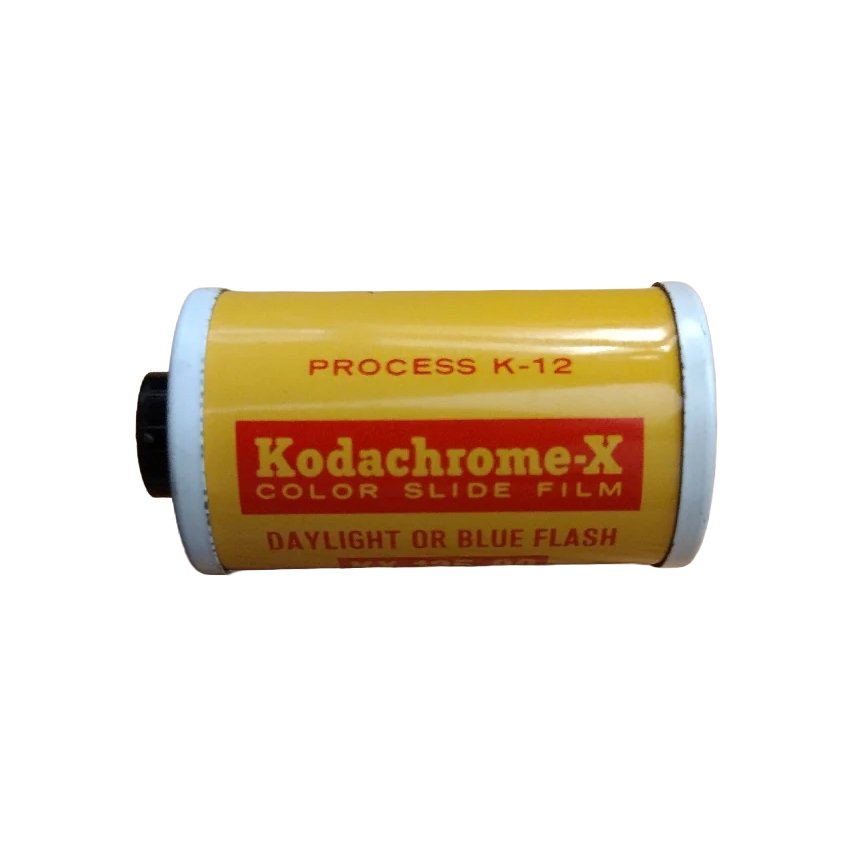
We specialize in the careful recovery and developing of Kodachrome film, including K-12, K-14, and Kodachrome-X—formats that most labs can no longer process. While true color chemistry for Kodachrome has been discontinued for decades, our method focuses on preserving the image itself, extracting every possible detail from your film using proven archival techniques.
All Kodachrome film is professionally developed to produce black-and-white negatives, which are then high-resolution scanned and digitally restored into full-color images. These final digital files are delivered in color, allowing you to view, share, and preserve your memories as they were originally intended.
This service is ideal for:
Found or inherited Kodachrome film
Family memories believed to be lost
Kodachrome that other labs have refused or declared “undevelopable”
Kodachrome is one of the most challenging films ever made. It requires experience, patience, and specialized handling. If your Kodachrome matters, it belongs in a lab that understands it. Please allow 4 to 6 weeks for developing.
What are the chances of getting pictures back from old film?
The odds are often better than people expect.
Many rolls that are 20–30 years old still produce images, especially if they were stored indoors in a drawer, closet, or camera bag. Film that was kept cool and dry has the highest success rate.
The biggest risk factor is heat. Long-term storage in attics, garages, or hot cars can reduce contrast and increase fogging. Even then, images are frequently still present — just faded or color-shifted.
While no one can guarantee results until the film is developed, most old rolls are not blank. If the film was exposed and not physically damaged, there is usually something to recover.
My local lab says they can develop all
C-41 film, is this true?
Technically, most labs can run C-41 film through their processor
But “can process” and “should process” are two different things.
Standard C-41 machines are designed for fresh, properly stored film. When that same film is 20–40 years old, heat damage and chemical aging can cause heavy fogging, weak images, or color shifts. Running very old C-41 through a high-temperature automated processor without adjustments can reduce the chances of recovering usable photos.
Many labs treat all C-41 film the same, regardless of age. Expired film often benefits from a slower, more controlled approach.
So yes — most labs can develop C-41. The better question is whether they adjust their process for old film.
Expired film development is often the last chance to recover photographs that have been sitting unseen for decades. Whether your roll is from the 1970s, 1980s, 1990s, or 2000s, time slowly changes the chemistry inside the film—causing fog, fading, color shifts, and contrast loss. Many modern labs treat old film like it’s fresh, running it through high-speed processors that can permanently destroy fragile images. At Andrew’s Analog Service Center, expired and found film is handled with care, evaluated individually, and developed using specialized rescue methods designed to give your memories the best possible chance of being seen again.
Read our FAQ to answer the most common questions. CLICK HERE
We also have a new Expired film Information Resource Area. CLICK HERE
The 2 most common questions we get are: Can my 20, 30 or 40 year old film be developed? Will the pictures be decent enough to justify the cost. The answer is Yes to both question. Our new rescue film lab was built around the idea that found film from decades ago can be developed. Our goal is saving the memories on film that other labs say is impossible to develop or tell you is trash.
First:
What do you have? We can develop 110, 126, 127, 35mm 120, 220, APS, 240, 135, 828, 620, 116, 616, 122, 124 and Disc Film
We can develop Kodachrome 64, Kodachrome-X, Kodak VR, KodaColor-X, KodaColor II, Gold 200, Kodak MAX 400, Seattle Film Works and almost anything else you might find. Any Cartridge or roll we can develop. Still not sure, send us a picture. service@needfilmdeveloped.com or Call us (484) 998-0998
Secondly:
If you don’t know what you have that is not a problem. Just count how many you have and purchase that Quantity.
We will develop your film in color whenever possible and scan your film at high quality. Then we will upload your images to Google Drive, make prints if you paid for them and return your film to you unless its blank.
Depending on what you send, we may need to contact you because some film types made before 1980 cost more than $15 to develop per roll. There are but not limited to Triple Print Film, KodaColor-X, GAF or anything that says C-22
You are welcome to send an unused flash drive for your pictures or request a free CD
Disclaimer:
We provide a 50% refund for completely blank rolls. We don’t give refunds or discounts for any other reason. You hired us to develop your film, there are many factors which could cause the film to be blank, we are not responsible for anything that happens to the film before we receive it in the lab, this includes damaged caused by the shipping service you chose to ship your film with. The customer is responsible for all tariff or import charges at any time. This mostly applies to our Canada customers. Due to Image degradation due to the age of the film, the color may not be consistent across similar photos. Our software guesses at what’s missing. Please contact us for questions. Our phone number is 484-998-0998 We are a home based business which Primarily operates online. If your local we allow drop offs. Thanks for reading. First time customers get $5 off with discount code WELCOME
Can you make old film look normal?
Often, yes — but it depends on the condition of the film.
Old film commonly develops with faded colors, heavy grain, fogging, or color shifts. While it may not look like fresh film straight out of processing, many of these issues can be improved during scanning and digital restoration.
Color balance can be corrected, contrast can be restored, and faded details can often be brought back. Severe damage from heat or age may limit how perfect it can look, but significant improvement is usually possible.
The goal isn’t to change the image — it’s to recover it as close as possible to how it originally would have appeared.
Can you fix grainy film photos I got from a different lab years ago?
In many cases, yes
Grain is a normal part of film, but it can become much worse with age, heat damage, or improper processing. While grain cannot be completely removed, it can often be reduced and improved during high-quality rescanning and digital restoration.
Better scanning can recover more detail, improve contrast, and reduce the harsh, rough appearance caused by poor equipment or incorrect settings. Many images that look unusable at first can be made significantly clearer.
As long as the original negatives still exist and contain image detail, there is usually room for improvement.

This Classic Black and White film which was discontinued in 2002 was very popular in the 1950, 60’s and 70’s. If you have some of this film, get it developed here. We have successfully developed Verichrome from the 1940’s
After Processing we automatically Add the power of our new PhotoFlux software to get clearer sharper images in color from your old film. We always provide both the original scans and the PhotoFlux enhanced versions of your images
Estimated Turn Around time 3 to 6 weeks for Verichrome Pan. Older Verichrome could take 3 to 4 months depending on how backed up we are. The older version is rare, usually has a pinkish red paper and the film was discontinued about 70 years ago. Developing is challenging and requires a lot more time.
Scanning is required. The do not scan option if for customers that want to do their own scanning. If you don’t have the ability to scan your own film then you need to purchase it, otherwise you will not get any digital images.
If you have additional questions please contact us by email or call us between 6pm and 10pm
Eastern Standard Time. service@needfilmdeveloped.com /
Audio Podcasts
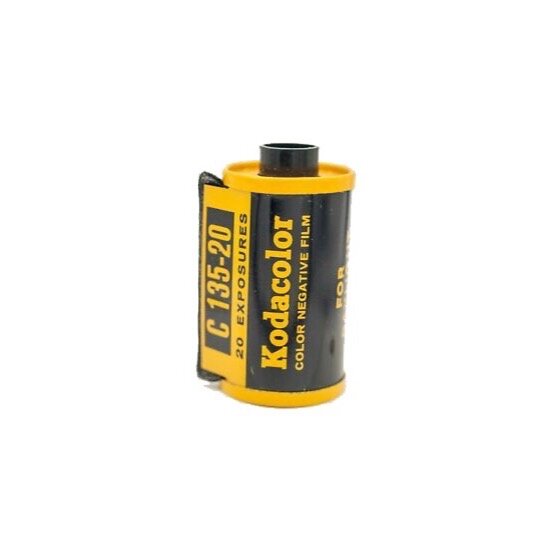
Developing & scanning for C-22 film stocks and E4 film
We develop your film in color. We are the only lab developing old film in Vibrant color.
If you have any questions please contact us directly by email or call us at 484-998-0998
C-22 film was discontinued in the early 1970’s and most is over 50 years old. The final results from most labs are typically poor due to the age and the intended chemicals are no longer available. We have engineered our own proprietary method for developing expired film so it looks as good as the day it was shot. Turn back the hands of time and see your photos like never before, in color.
Disclaimer: We are not responsible for blank film and will not provide a refund for blank film. Our color developing using a blend of Chemistry and Software to restore the color to what it was the day it was shot. depending on how degraded the film is due to age the software PhotoFlux has color Consistency issues across similar photos. If parts of the photo are missing, Photoflux takes an educated guess. We are not responsible for lost details in the image. Film which is too much age degradation may require us to convert the image to black and white for best possible viewing.