 Image 1 of 2
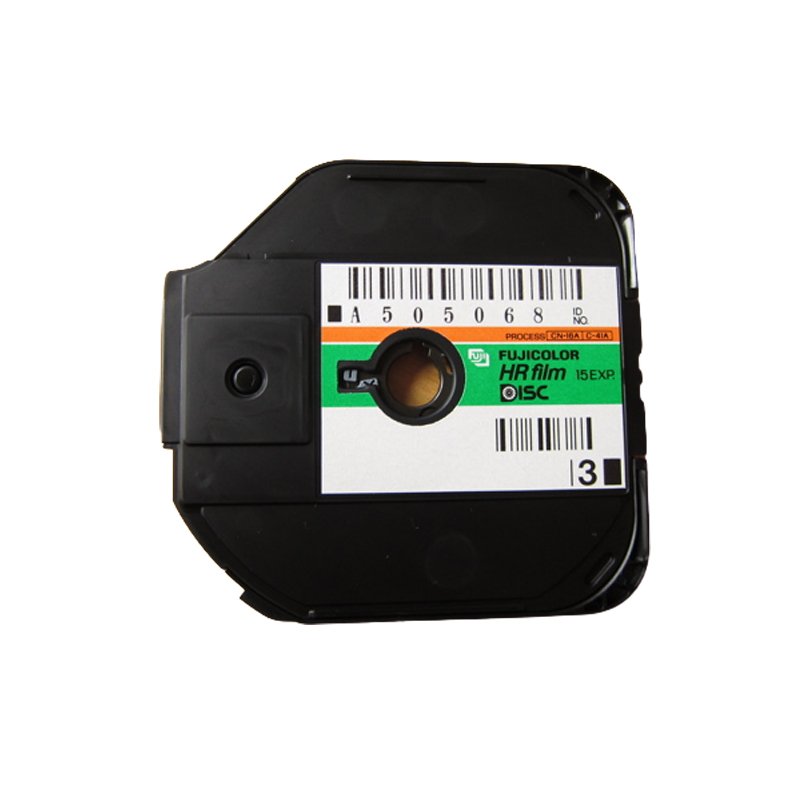 Image 2 of 2
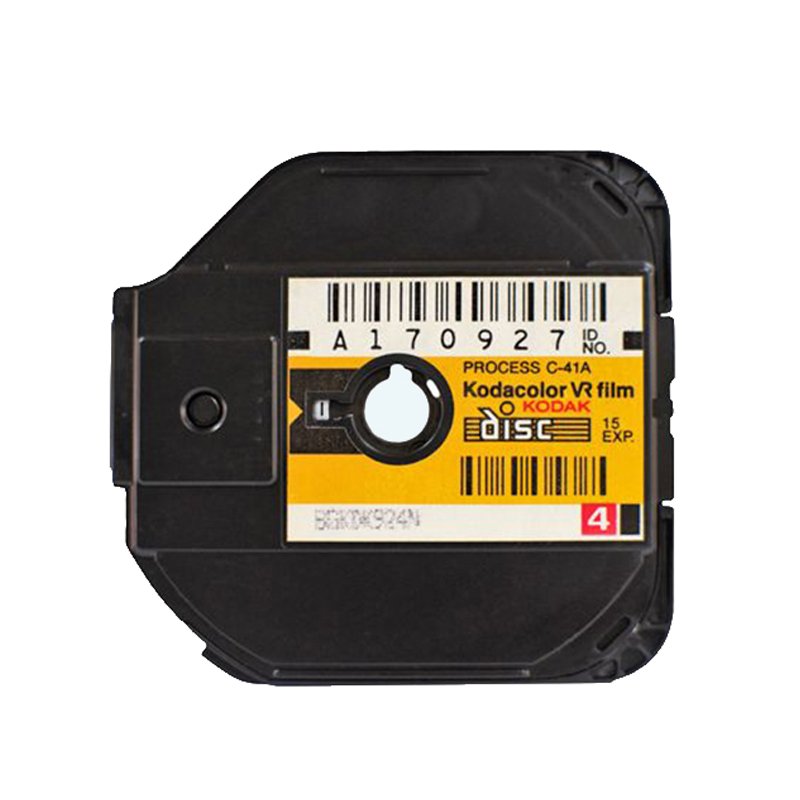
Disc film was originally designed to be processed in standard C-41 chemistry when the film was fresh. However, nearly all Disc film in existence today is almost 40 years old, and age changes everything. The chemistry and processing conditions that once worked safely will now destroy the remaining image, often leaving the film completely blank.
Modern C-41 processors operate at high temperatures and high speeds. When aged Disc film is run through these systems—as many labs still do—the weakened emulsion cannot survive the process. The result is typically clear, faded, or permanently ruined film, with no opportunity for recovery.
For this reason, we do not process Disc film in C-41 chemistry.
Instead, each disc is carefully developed as black-and-white film using controlled, low-temperature methods designed to preserve fragile, decades-old emulsions. This approach protects the remaining image data and dramatically increases the chances of successful recovery.
After development, the film is high-resolution scanned and digitally restored. The final images are then professionally reconstructed into full-color digital files, allowing your photos to be viewed and preserved as they were originally intended.
Disc film was originally designed to be processed in standard C-41 chemistry when the film was fresh. However, nearly all Disc film in existence today is almost 40 years old, and age changes everything. The chemistry and processing conditions that once worked safely will now destroy the remaining image, often leaving the film completely blank.
Modern C-41 processors operate at high temperatures and high speeds. When aged Disc film is run through these systems—as many labs still do—the weakened emulsion cannot survive the process. The result is typically clear, faded, or permanently ruined film, with no opportunity for recovery.
For this reason, we do not process Disc film in C-41 chemistry.
Instead, each disc is carefully developed as black-and-white film using controlled, low-temperature methods designed to preserve fragile, decades-old emulsions. This approach protects the remaining image data and dramatically increases the chances of successful recovery.
After development, the film is high-resolution scanned and digitally restored. The final images are then professionally reconstructed into full-color digital files, allowing your photos to be viewed and preserved as they were originally intended.